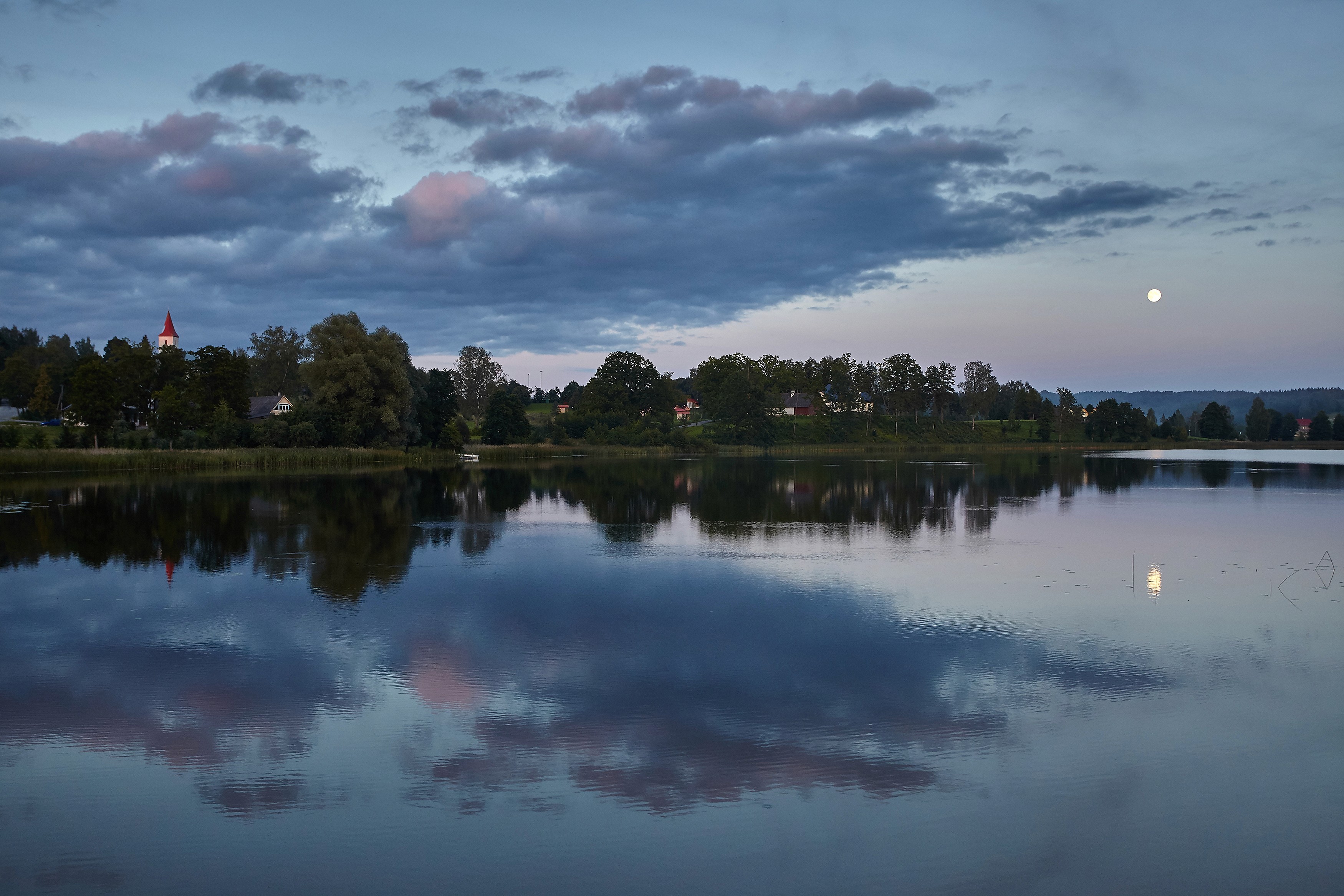
Lake Rõuge Suurjärv
Lake Rõuge Suurjärv
Lake Rõuge Suurjärv is located in the deep primeval valley of Rõuge and is Estonia’s deepest lake, reaching depths of up to 38 metres. It is part of the Rõuge chain of lakes, formed at the end of the Ice Age through the erosive action of melting glacial waters. Suurjärv is surrounded by lush natural landscapes. Its waters, fed by shoreline springs, vary in colour and support a rich diversity of flora and fauna. According to local legend, the lake arrived from Viitina, passing through the hill, and every autumn before Michaelmas, a mystical bridge appears on its surface. On it walks a black monk with silver bells, marking an ominous prophecy concerning the church.
Lake Rõuge Suurjärv is located in the deep primeval valley of Rõuge and is Estonia’s deepest lake, reaching depths of up to 38 metres. It is part of the Rõuge chain of lakes, formed at the end of the Ice Age through the erosive action of melting glacial waters. Suurjärv is surrounded by lush natural landscapes. Its waters, fed by shoreline springs, vary in colour and support a rich diversity of flora and fauna. According to local legend, the lake arrived from Viitina, passing through the hill, and every autumn before Michaelmas, a mystical bridge appears on its surface. On it walks a black monk with silver bells, marking an ominous prophecy concerning the church.
Nature
Must-See Sight
Active Adventures
Lake Rõuge Suurjärv lies in the deep and picturesque Rõuge primeval valley and is one of the most beautiful and well-known lakes in Southern Estonia. It is part of the Rõuge chain of lakes, interconnected by streams and springs. Suurjärv is the deepest lake in Estonia, reaching depths of up to 38 metres (and in some measurements up to 41 m). The lake deepens gradually, with its deepest point located slightly southeast of the centre. Its bottom is mostly covered with mud, creating a suitable habitat for aquatic vegetation and fauna.
Lake Suurjärv has an area of 13.5 hectares and an average depth of nearly 12 metres. It is a through-flow lake: water flows in from the south from Lakes Liinjärv and Valgjärv, and from the north from Lake Kaussjärv, while the outflow runs northwest via the Rõuge (Ajo) stream into Lake Ratasjärv. Numerous shoreline and bottom springs feed the lake, keeping its waters clean and cool.
The water colour varies from orange to light green, and its transparency depends on season and light conditions. The flora is diverse, with 22 recorded plant species, including the rare moss Fissidens julianus, floating pondweed, water lily, and yellow water-lily. Water mosses, charophytes, and spiked water-milfoil cover the lakebed down to depths of around 8 metres. The fish population is dominated by perch and roach, and the lake also provides habitat for noble crayfish, although its depth limits suitable areas for them.
In summer, visitors are welcomed at Rõuge Suurjärv beach, which offers swimming facilities and a small children’s playground, making it a pleasant destination for family holidays. On the lakeshore there is a parking area and information boards introducing the natural values of the lake and the Rõuge primeval valley. The shore also features a National Geographic yellow frame – a designated photo spot offering a striking view of the lake and the valley slopes. It is one of the most photographed locations in Võru County.
According to folklore, Lake Rõuge Suurjärv came from the Viitina border area, from the site of the present Suursoo bog, carving its way through the hill. The valley-like depression in the landscape is still visible today, seemingly confirming the legend. Another tale tells of an old church with silver bells sinking into the lake during wartime, and every year before Michaelmas, a mysterious bridge appears over the water. On it walks a black monk, calling out:
“The time will come, the time will come, when this church with its bells will rise again!”
Lake Rõuge Suurjärv lies in the deep and picturesque Rõuge primeval valley and is one of the most beautiful and well-known lakes in Southern Estonia. It is part of the Rõuge chain of lakes, interconnected by streams and springs. Suurjärv is the deepest lake in Estonia, reaching depths of up to 38 metres (and in some measurements up to 41 m). The lake deepens gradually, with its deepest point located slightly southeast of the centre. Its bottom is mostly covered with mud, creating a suitable habitat for aquatic vegetation and fauna.
Lake Suurjärv has an area of 13.5 hectares and an average depth of nearly 12 metres. It is a through-flow lake: water flows in from the south from Lakes Liinjärv and Valgjärv, and from the north from Lake Kaussjärv, while the outflow runs northwest via the Rõuge (Ajo) stream into Lake Ratasjärv. Numerous shoreline and bottom springs feed the lake, keeping its waters clean and cool.
The water colour varies from orange to light green, and its transparency depends on season and light conditions. The flora is diverse, with 22 recorded plant species, including the rare moss Fissidens julianus, floating pondweed, water lily, and yellow water-lily. Water mosses, charophytes, and spiked water-milfoil cover the lakebed down to depths of around 8 metres. The fish population is dominated by perch and roach, and the lake also provides habitat for noble crayfish, although its depth limits suitable areas for them.
In summer, visitors are welcomed at Rõuge Suurjärv beach, which offers swimming facilities and a small children’s playground, making it a pleasant destination for family holidays. On the lakeshore there is a parking area and information boards introducing the natural values of the lake and the Rõuge primeval valley. The shore also features a National Geographic yellow frame – a designated photo spot offering a striking view of the lake and the valley slopes. It is one of the most photographed locations in Võru County.
According to folklore, Lake Rõuge Suurjärv came from the Viitina border area, from the site of the present Suursoo bog, carving its way through the hill. The valley-like depression in the landscape is still visible today, seemingly confirming the legend. Another tale tells of an old church with silver bells sinking into the lake during wartime, and every year before Michaelmas, a mysterious bridge appears over the water. On it walks a black monk, calling out:
“The time will come, the time will come, when this church with its bells will rise again!”
Gallery
See more photos
Gallery
See more photos
Lake Rõuge Suurjärv at night
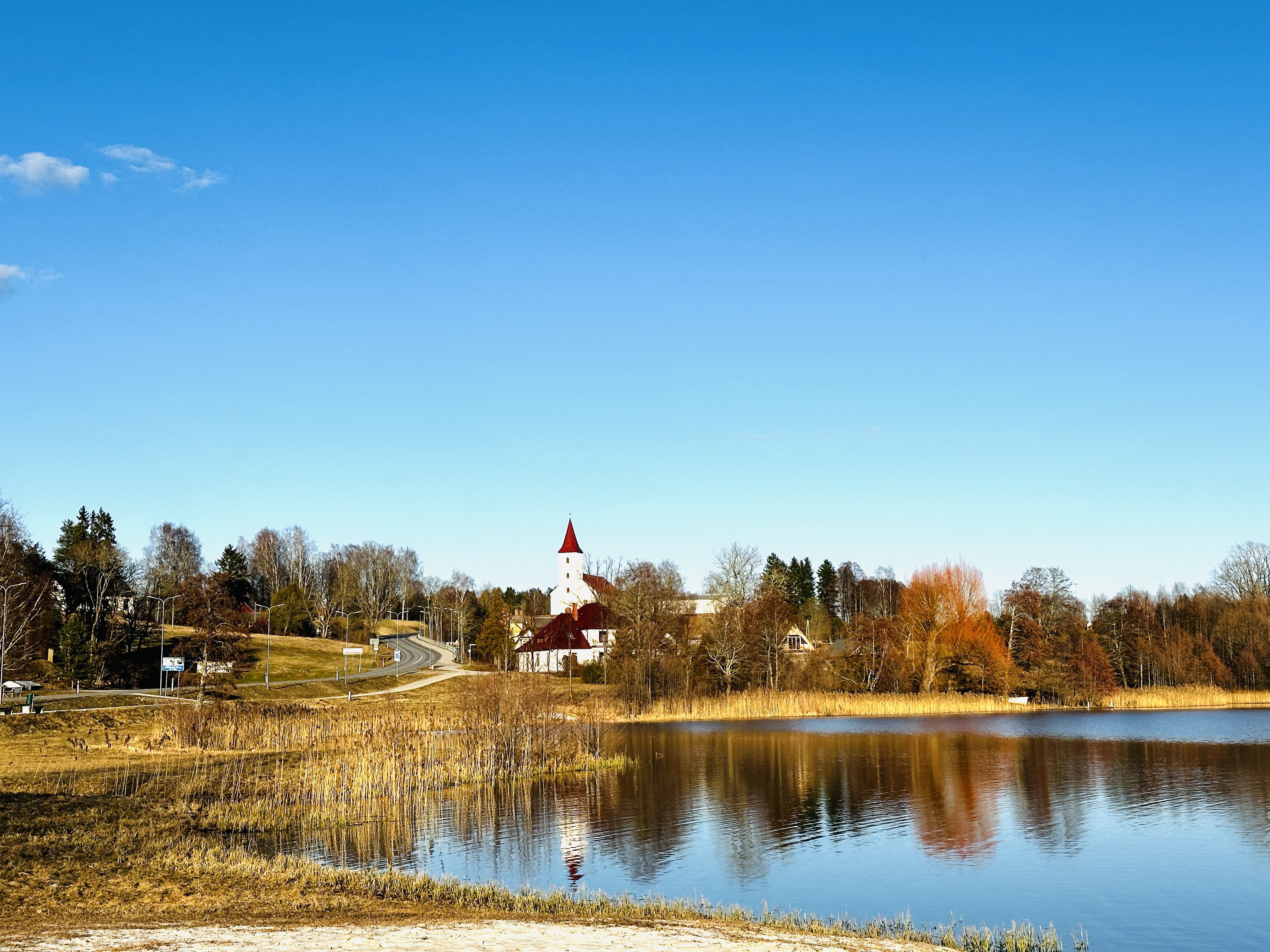
Lake Rõuge Suurjärv in early spring, featuring a picturesque view of Rõuge Church


Inquiry
Answer
What are the most popular attractions in Rõuge?
Inquiry
Answer
Are the attractions open year-round?
Inquiry
Answer
How do I get to the main attractions in Rõuge?
Inquiry
Answer
Kuidas liikuda Rõuge vallas?
Inquiry
Answer
Can I book guided tours at the attractions?
Inquiry
Answer