Iron Spring
Iron Spring
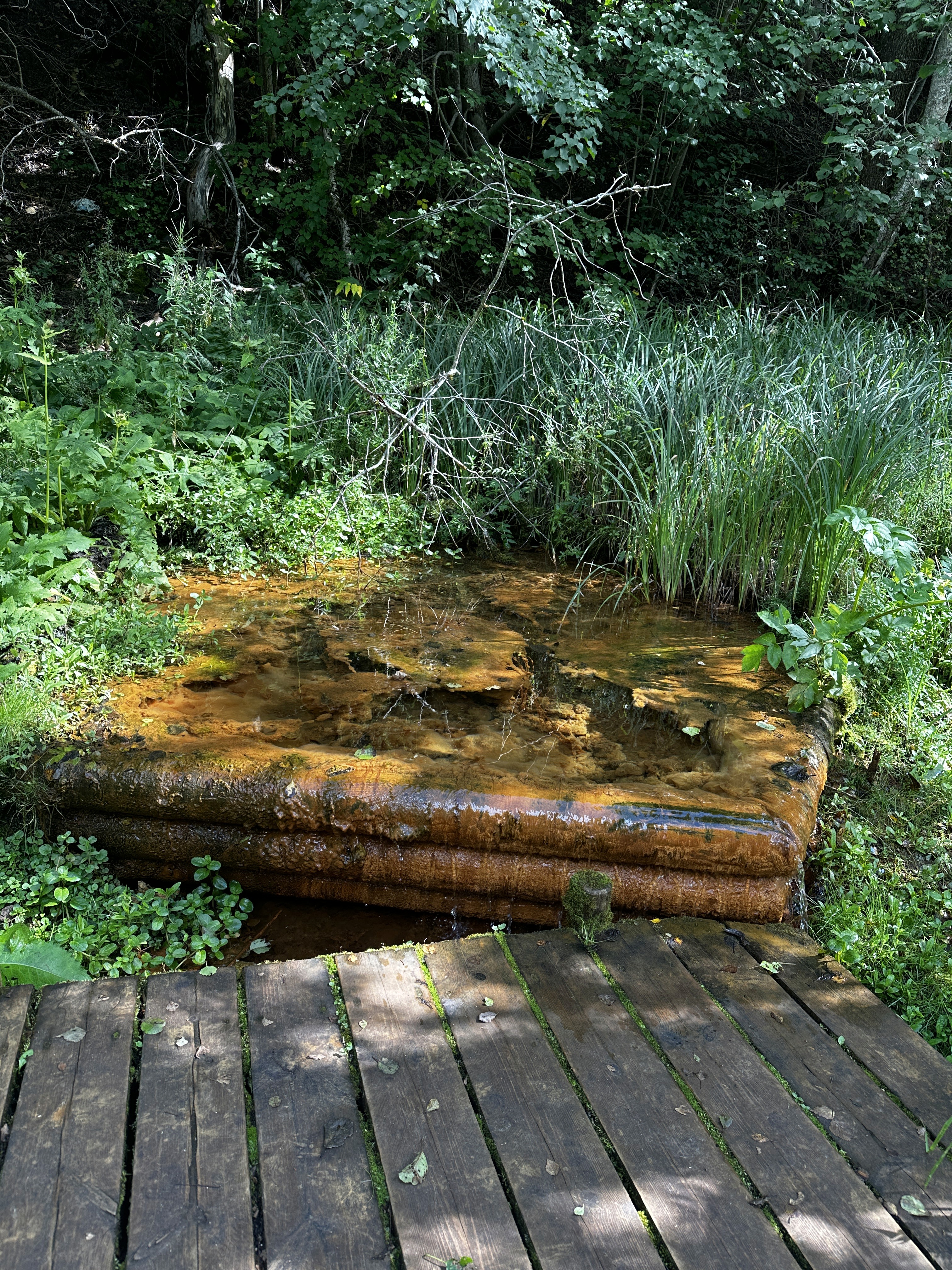
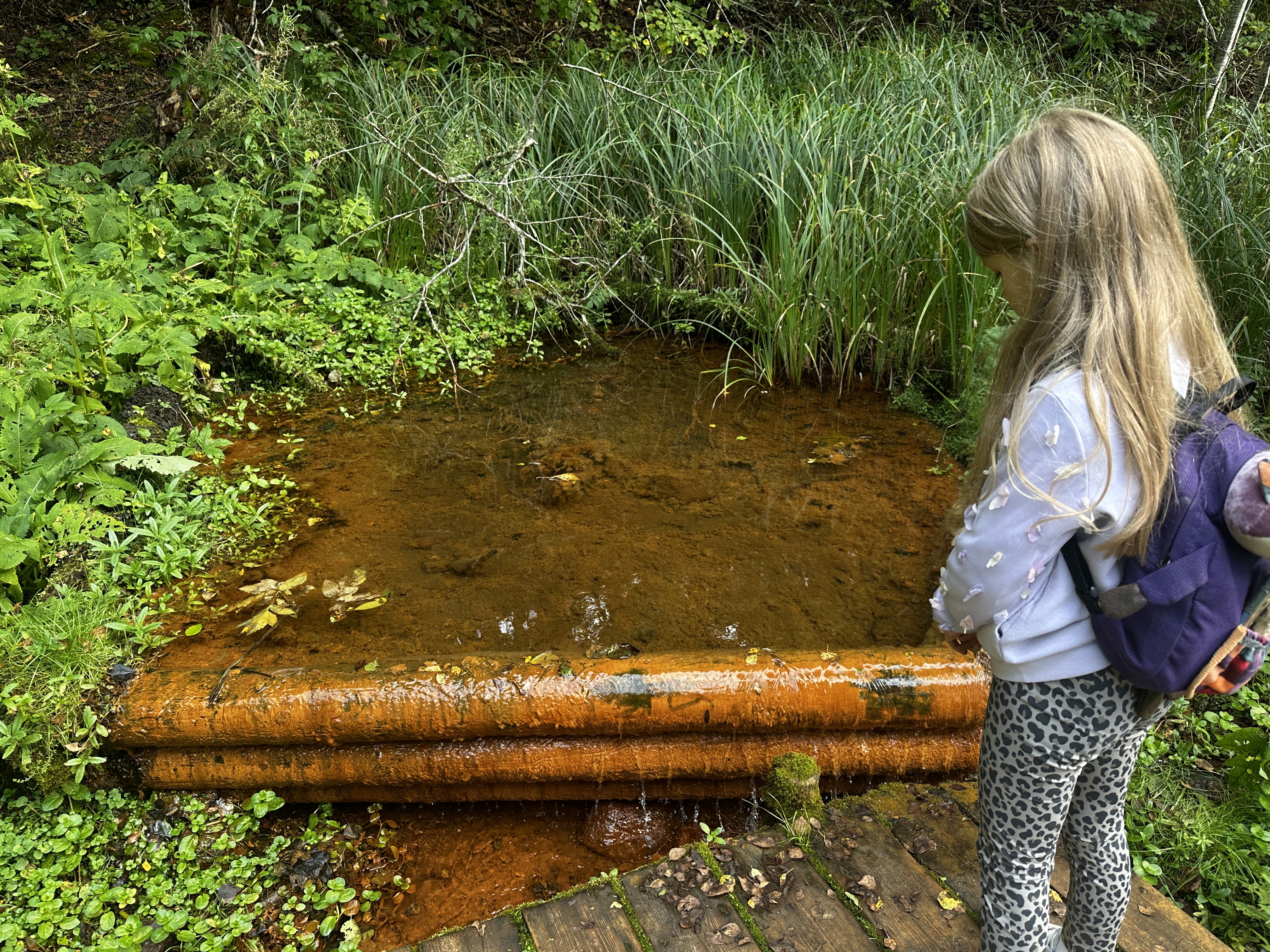
The Iron Spring (Rauakaevu allikas) is located in Rõuge Ööbikuorg, right next to the hydraulic rams. The Iron Spring – ancient iron power from the depths of Rõuge – is a naturally iron-rich spring whose sediments tell a story of the past. The rust-coloured hue indicates a high iron content. From the spring, water flows into Lake Liinjärv, where a significant amount of iron sediment accumulates on the lakebed. In ancient times, this natural resource was of immense value as lake ore was collected directly from beneath the ice and smelted into tools and weapons. The abundance of smithies discovered at the Rõuge hill fort confirms that active iron production took place here, with an impact that reached far beyond the region. Today, the Iron Spring is a beautiful and rare natural phenomenon that brings together geology, historical heritage, and the skills of our ancestors. A walk to the spring is like a journey through time – back to the origins of iron and its forging.
The Iron Spring (Rauakaevu allikas) is located in Rõuge Ööbikuorg, right next to the hydraulic rams. The Iron Spring – ancient iron power from the depths of Rõuge – is a naturally iron-rich spring whose sediments tell a story of the past. The rust-coloured hue indicates a high iron content. From the spring, water flows into Lake Liinjärv, where a significant amount of iron sediment accumulates on the lakebed. In ancient times, this natural resource was of immense value as lake ore was collected directly from beneath the ice and smelted into tools and weapons. The abundance of smithies discovered at the Rõuge hill fort confirms that active iron production took place here, with an impact that reached far beyond the region. Today, the Iron Spring is a beautiful and rare natural phenomenon that brings together geology, historical heritage, and the skills of our ancestors. A walk to the spring is like a journey through time – back to the origins of iron and its forging.
Nature
Family
Must-See Sight
Active Adventures
Winter
Location
Rõuge Nightingale Valley
The Rauakaev (Iron Well) spring is unique for its iron-rich water, visible as a rust-colored sediment at the bottom of the spring. Much of the spring's water flows into Lake Liinjärv, leading to a significant accumulation of iron sediments on its bed. Today, this appears simply as an intriguing natural phenomenon, but in ancient times, processing lake ore was one of the primary ways to obtain vital iron.
This iron-rich land paved the way for development and power. Indeed, the ancient hill fort was established in the Rõuge area partly to control the surrounding iron springs. The local fort (built in the second half of the 1st millennium) did not just supply iron to the local community, but to far wider settlements. Archeologists have uncovered about a dozen smelting and smithing sites on Rõuge hill fort – authentic proof that ironworking was a cornerstone of life here.
Iron is formed when iron dissolved in groundwater reaches the surface and reacts with atmospheric oxygen, creating the visible rust-colored sediment. This natural alchemy is driven by unique iron bacteria (scientists estimate up to 40+ species), water acidity, temperature, and oxygen levels. During the winter, when the water level is low, the spring water is particularly rich in iron compounds.
In ancient times, the ore was harvested directly from the lake in winter: holes were cut in the ice, and the sediment was hauled out of the water. Smelting this iron was a complex, highly respected craft known to few. This secret knowledge and skill were passed down strictly within families.
Did you know that to obtain 100 kilograms of pure iron, it took about:
600 kilograms of ore (from bog or lake),
1,300 kilograms of charcoal.
Did you know that the raw iron directly from the furnace is initially very brittle? Before it could be used, it had to be beaten with a wooden mallet on a block to compact it – and only then could master craftsmen begin forging it into essential tools and weapons.
The Rauakaev (Iron Well) spring is unique for its iron-rich water, visible as a rust-colored sediment at the bottom of the spring. Much of the spring's water flows into Lake Liinjärv, leading to a significant accumulation of iron sediments on its bed. Today, this appears simply as an intriguing natural phenomenon, but in ancient times, processing lake ore was one of the primary ways to obtain vital iron.
This iron-rich land paved the way for development and power. Indeed, the ancient hill fort was established in the Rõuge area partly to control the surrounding iron springs. The local fort (built in the second half of the 1st millennium) did not just supply iron to the local community, but to far wider settlements. Archeologists have uncovered about a dozen smelting and smithing sites on Rõuge hill fort – authentic proof that ironworking was a cornerstone of life here.
Iron is formed when iron dissolved in groundwater reaches the surface and reacts with atmospheric oxygen, creating the visible rust-colored sediment. This natural alchemy is driven by unique iron bacteria (scientists estimate up to 40+ species), water acidity, temperature, and oxygen levels. During the winter, when the water level is low, the spring water is particularly rich in iron compounds.
In ancient times, the ore was harvested directly from the lake in winter: holes were cut in the ice, and the sediment was hauled out of the water. Smelting this iron was a complex, highly respected craft known to few. This secret knowledge and skill were passed down strictly within families.
Did you know that to obtain 100 kilograms of pure iron, it took about:
600 kilograms of ore (from bog or lake),
1,300 kilograms of charcoal.
Did you know that the raw iron directly from the furnace is initially very brittle? Before it could be used, it had to be beaten with a wooden mallet on a block to compact it – and only then could master craftsmen begin forging it into essential tools and weapons.
Gallery
See more photos
Gallery
See more photos
The Iron Well natural spring


Inquiry
Answer
What are the most popular attractions in Rõuge?
Inquiry
Answer
Are the attractions open year-round?
Inquiry
Answer
How do I get to the main attractions in Rõuge?
Inquiry
Answer
Kuidas liikuda Rõuge vallas?
Inquiry
Answer
Can I book guided tours at the attractions?
Inquiry
Answer