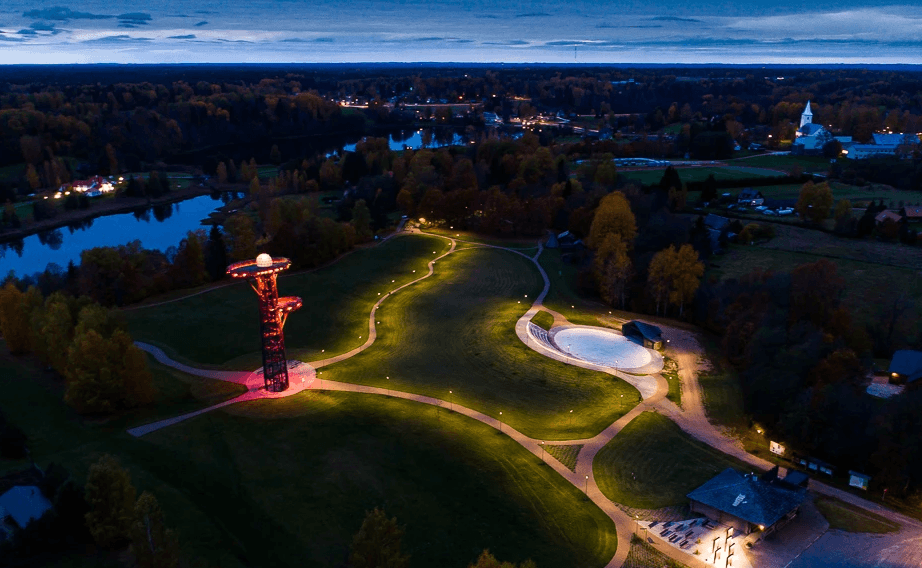
Rõuge Song Festival Grounds
Rõuge Song Festival Grounds
The Rõuge song festival grounds are nestled in the picturesque Nightingale Valley (Ööbikuorg), a place long cherished as the beating heart of Rõuge's folk culture. Historically, this scenic spot has hosted local song festivals, choir concerts, and key municipal celebrations. On quieter days, the air is filled with the sweet melodies of local birdsong. The tradition of song festivals in Rõuge dates back to 1925, when the parish's very first song day was held in Rõuge Park. However, local choirs have been an active part of the Estonian song festival movement since the historic first nationwide Song Festival in 1869, carrying forward the resilient guiding principle: "Who cannot endure the bitter, shall not taste the sweet!" Today, the stage remains a vital and authentic meeting place for Rõuge's cultural life—where professional choirs and close-knit communities gather to celebrate the powerful, binding connection between music and nature.
The Rõuge song festival grounds are nestled in the picturesque Nightingale Valley (Ööbikuorg), a place long cherished as the beating heart of Rõuge's folk culture. Historically, this scenic spot has hosted local song festivals, choir concerts, and key municipal celebrations. On quieter days, the air is filled with the sweet melodies of local birdsong. The tradition of song festivals in Rõuge dates back to 1925, when the parish's very first song day was held in Rõuge Park. However, local choirs have been an active part of the Estonian song festival movement since the historic first nationwide Song Festival in 1869, carrying forward the resilient guiding principle: "Who cannot endure the bitter, shall not taste the sweet!" Today, the stage remains a vital and authentic meeting place for Rõuge's cultural life—where professional choirs and close-knit communities gather to celebrate the powerful, binding connection between music and nature.
Must-See Sight
Nightingales arrive in Rõuge at the beginning of May. These modest-looking and naturally shy birds keep to the shelter of the bushes and nest close to the ground. Nightingale Valley (Ööbikuorg), with its rich bird cherry thickets, is an ideal habitat for them. The nightingale's song can be heard up to a kilometer away and echoes mainly at night and until sunrise; during the day, it is rare and occasional. This is precisely why nightingales are associated with poetic summer nights, and Nightingale Valley is cherished as a deeply romantic place.
Yet, Nightingale Valley is not home to nightingales alone: the songs of other birds fill the air here too. Tits, thrushes, skylarks, and white wagtails sing in the deciduous forest and bushes. At the beginning of July, the chicks hatch and the singing quietens down, as the parents' time is spent caring for their offspring. By the beginning of August, the young birds know how to fly, and in September, the migration to their wintering grounds in East or South Africa begins. The people of Rõuge have always loved to sing. Here, people learn to sing as early as kindergarten, alongside the nightingales. The local song and drama society was already represented at the very first Estonian Song Festival in Tartu in 1869. The Rõuge mixed choir still uses the original flag design with the motto: "He who cannot endure the bitter, will not taste the sweet!". The tradition of the parish song festivals began in 1925 with a song day held in Rõuge Park.
Nightingales arrive in Rõuge at the beginning of May. These modest-looking and naturally shy birds keep to the shelter of the bushes and nest close to the ground. Nightingale Valley (Ööbikuorg), with its rich bird cherry thickets, is an ideal habitat for them. The nightingale's song can be heard up to a kilometer away and echoes mainly at night and until sunrise; during the day, it is rare and occasional. This is precisely why nightingales are associated with poetic summer nights, and Nightingale Valley is cherished as a deeply romantic place.
Yet, Nightingale Valley is not home to nightingales alone: the songs of other birds fill the air here too. Tits, thrushes, skylarks, and white wagtails sing in the deciduous forest and bushes. At the beginning of July, the chicks hatch and the singing quietens down, as the parents' time is spent caring for their offspring. By the beginning of August, the young birds know how to fly, and in September, the migration to their wintering grounds in East or South Africa begins. The people of Rõuge have always loved to sing. Here, people learn to sing as early as kindergarten, alongside the nightingales. The local song and drama society was already represented at the very first Estonian Song Festival in Tartu in 1869. The Rõuge mixed choir still uses the original flag design with the motto: "He who cannot endure the bitter, will not taste the sweet!". The tradition of the parish song festivals began in 1925 with a song day held in Rõuge Park.
Gallery
See more photos
Gallery
See more photos
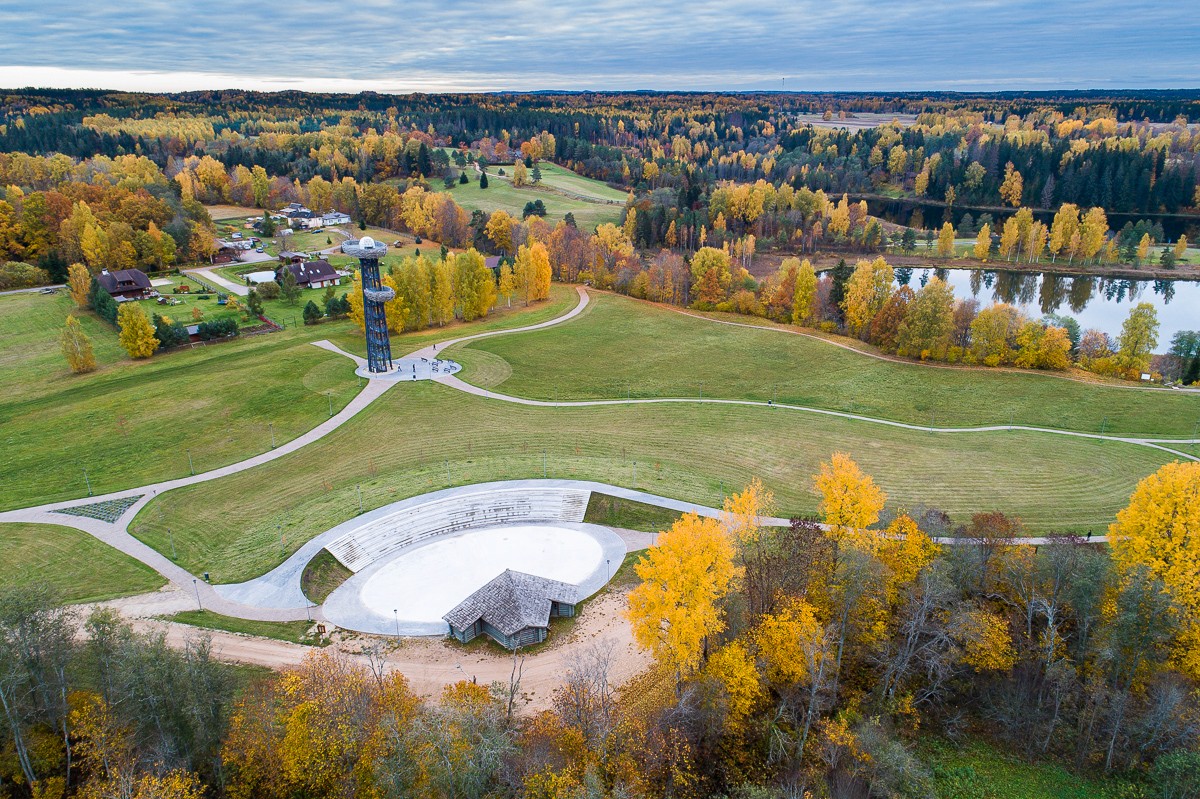
Rõuge song festival stage. Photo by Sven Zacek
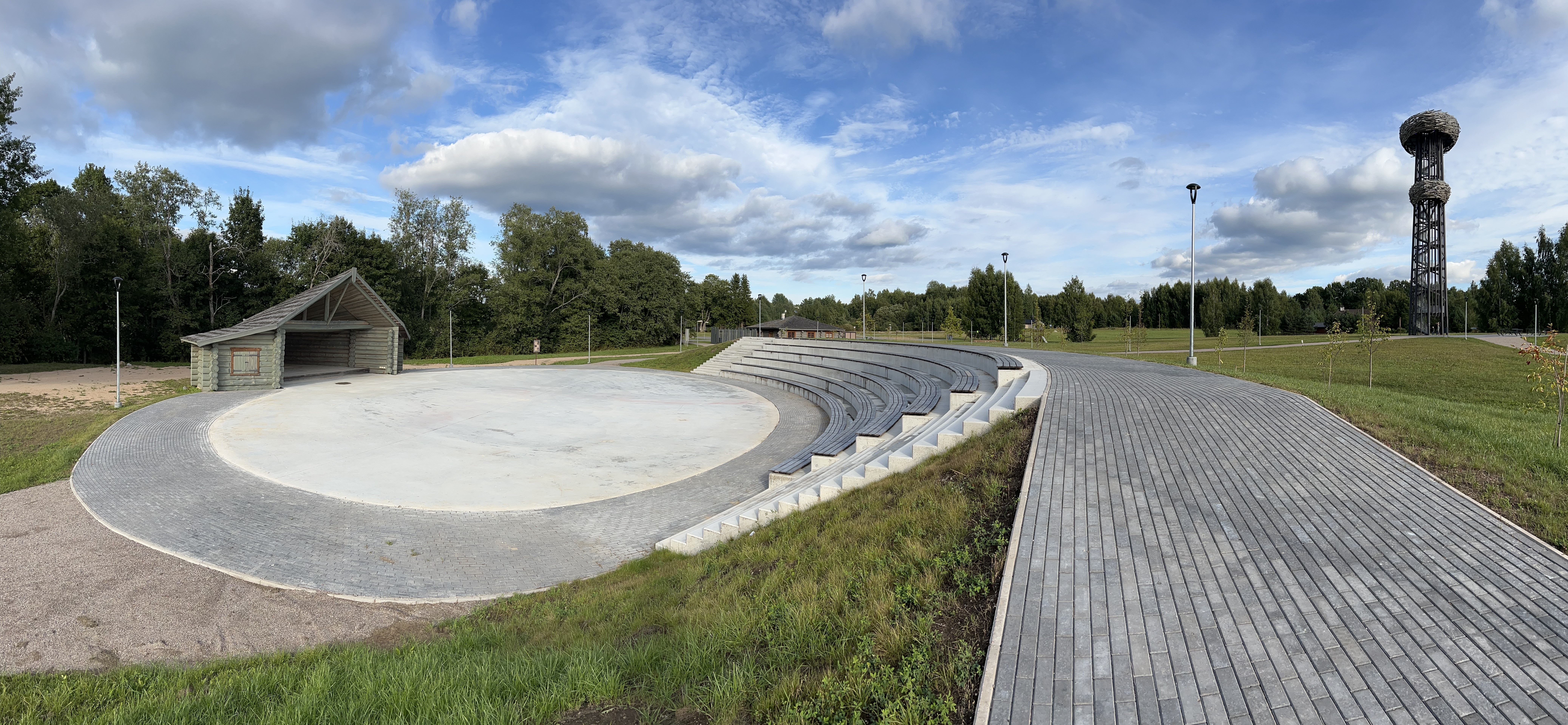
Rõuge song festival stage. Photo by Sven Zacek
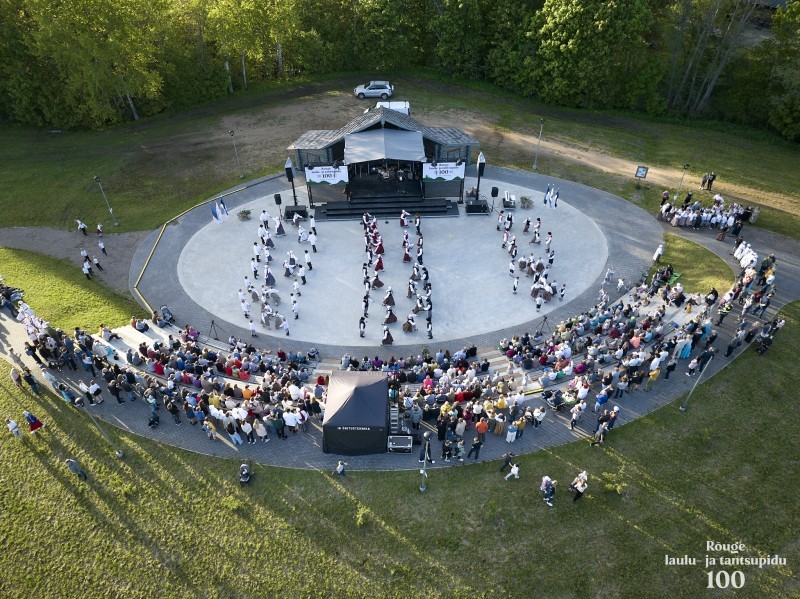
100 Years of Rõuge Song and Dance Festival. Photo by Rõuge Municipality Community Centre
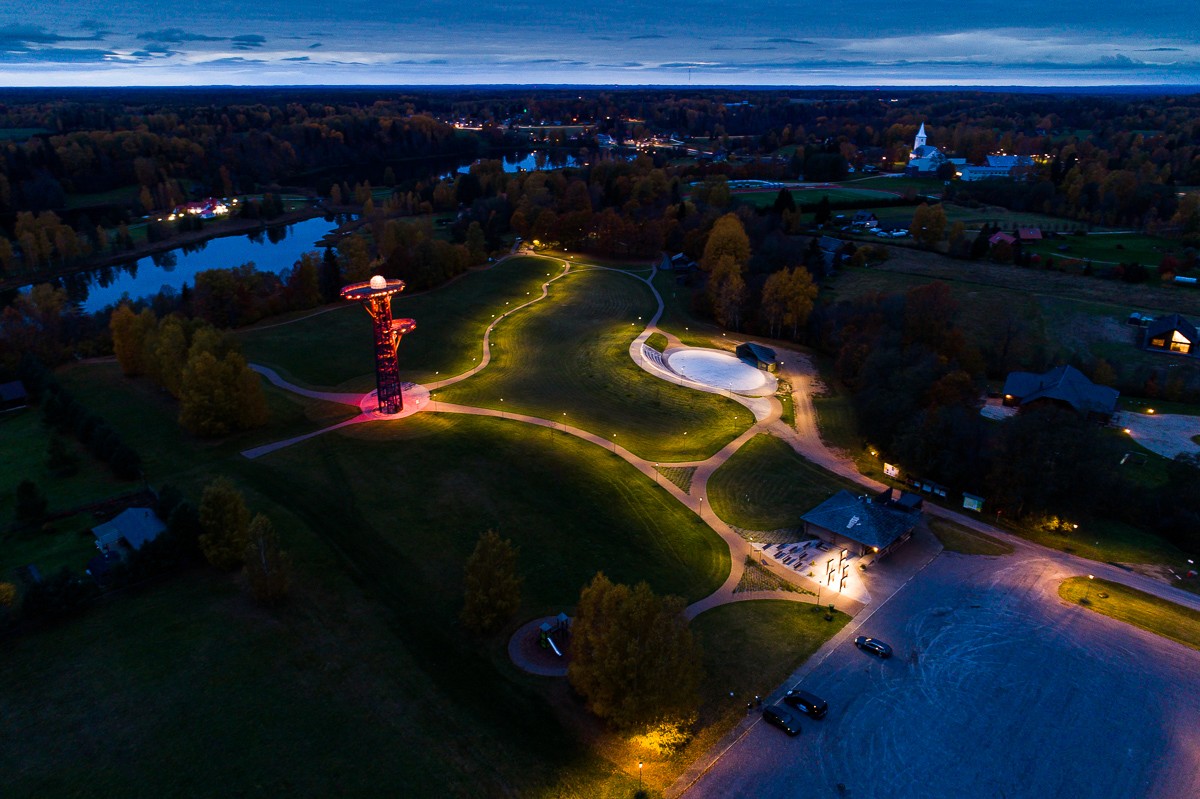
Rõuge song festival stage in the dark of the night. Photo by Sven Zacek
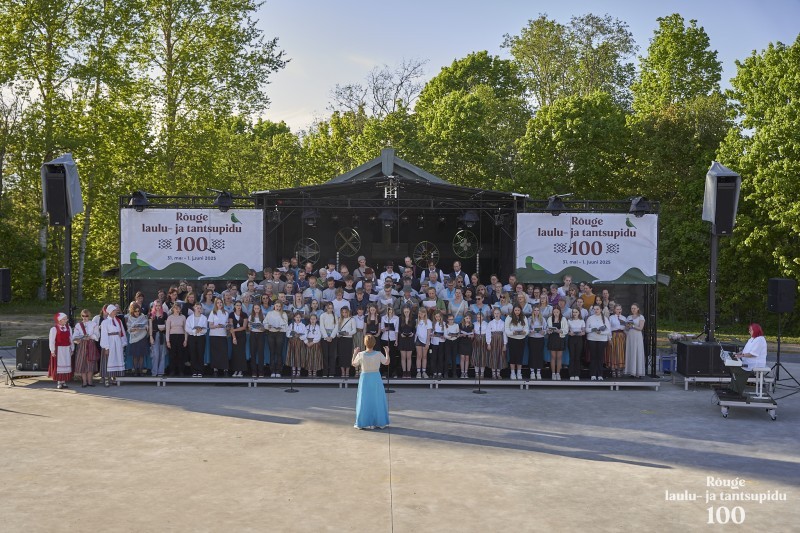
Rõuge Song and Dance Festival turns 100. Photo by Rõuge Municipality Community Centre


Inquiry
Answer
What are the most popular attractions in Rõuge?
Inquiry
Answer
Are the attractions open year-round?
Inquiry
Answer
How do I get to the main attractions in Rõuge?
Inquiry
Answer
Kuidas liikuda Rõuge vallas?
Inquiry
Answer
Can I book guided tours at the attractions?
Inquiry
Answer