Rõuge Primeval Valley and Lakes

Rõuge Primeval Valley and Lakes
Rõuge primeval valley is an awe-inspiring natural wonder in South Estonia. Formed nearly 15,000 years ago, it stretches for about 10 km and reaches depths of up to 75 metres. At the bottom of the valley lies a chain of seven lakes — a true natural treasure. In spring, the valley fills with the sweet song of nightingales and the scent of bird cherry blossoms.
Active Adventures
Nature
Family
Rõuge primeval valley was formed at the end of the last Ice Age, nearly 15,000 years ago, when glacial meltwaters carved a deep river valley into the slopes of the Haanja Upland. Stretching for about 10 kilometres and reaching depths of up to 75 metres, the valley runs from northwest to southeast and is one of Estonia’s most beautiful and best-preserved primeval valleys.
At the valley floor lies a chain of seven lakes: Valgjärv, Liinjärv, Suurjärv, Kaussjärv, Ratasjärv, Tõugjärv, and Lake Kahrila. They are all connected by the Rõuge River. At the heart of this lake system is Rõuge Suurjärv, which reaches a depth of 38 metres, making it the deepest lake in Estonia.
The slopes and floor of the primeval valley are rich in biodiversity. Natural flower meadows, ancient woodlands, and spring-fed valley slopes provide habitats for numerous species, including the tawny owl, grey-headed woodpecker, white-backed woodpecker, and great spotted woodpecker. Unlike many areas in Southern Estonia characterized by sandstone, this valley features limestone bedrock, which gives it its distinctive character.
Rõuge primeval valley is part of Haanja Nature Park, which is dedicated to protecting the upland landscapes and traditional way of life. The valley can be explored along a 10-kilometre hiking trail that winds between lakes and forests, stretching from Ööbikuorg (Nightingale Valley) to Hinni Canyon. Along the way, visitors are rewarded with breathtaking views of lakes, springs, and the valley’s dramatic relief.
Rõuge primeval valley and its lakes are a place where nature and tranquillity come together. Here, you can feel the breath of the earth, listen to the sound of water, and experience a silence that echoes the deep past.
Rõuge primeval valley was formed at the end of the last Ice Age, nearly 15,000 years ago, when glacial meltwaters carved a deep river valley into the slopes of the Haanja Upland. Stretching for about 10 kilometres and reaching depths of up to 75 metres, the valley runs from northwest to southeast and is one of Estonia’s most beautiful and best-preserved primeval valleys.
At the valley floor lies a chain of seven lakes: Valgjärv, Liinjärv, Suurjärv, Kaussjärv, Ratasjärv, Tõugjärv, and Lake Kahrila. They are all connected by the Rõuge River. At the heart of this lake system is Rõuge Suurjärv, which reaches a depth of 38 metres, making it the deepest lake in Estonia.
The slopes and floor of the primeval valley are rich in biodiversity. Natural flower meadows, ancient woodlands, and spring-fed valley slopes provide habitats for numerous species, including the tawny owl, grey-headed woodpecker, white-backed woodpecker, and great spotted woodpecker. Unlike many areas in Southern Estonia characterized by sandstone, this valley features limestone bedrock, which gives it its distinctive character.
Rõuge primeval valley is part of Haanja Nature Park, which is dedicated to protecting the upland landscapes and traditional way of life. The valley can be explored along a 10-kilometre hiking trail that winds between lakes and forests, stretching from Ööbikuorg (Nightingale Valley) to Hinni Canyon. Along the way, visitors are rewarded with breathtaking views of lakes, springs, and the valley’s dramatic relief.
Rõuge primeval valley and its lakes are a place where nature and tranquillity come together. Here, you can feel the breath of the earth, listen to the sound of water, and experience a silence that echoes the deep past.
Gallery
See more photos
Gallery
See more photos

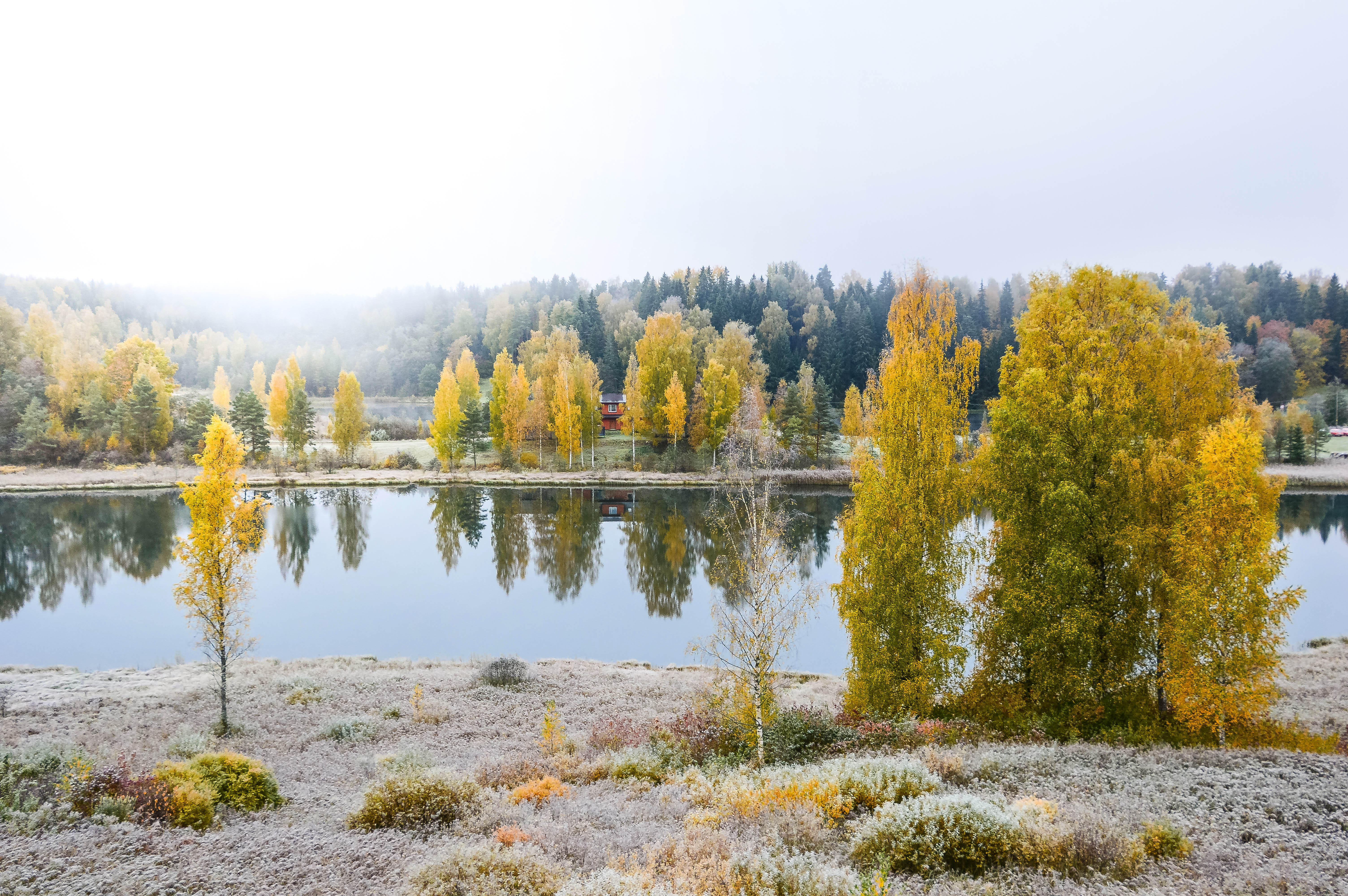
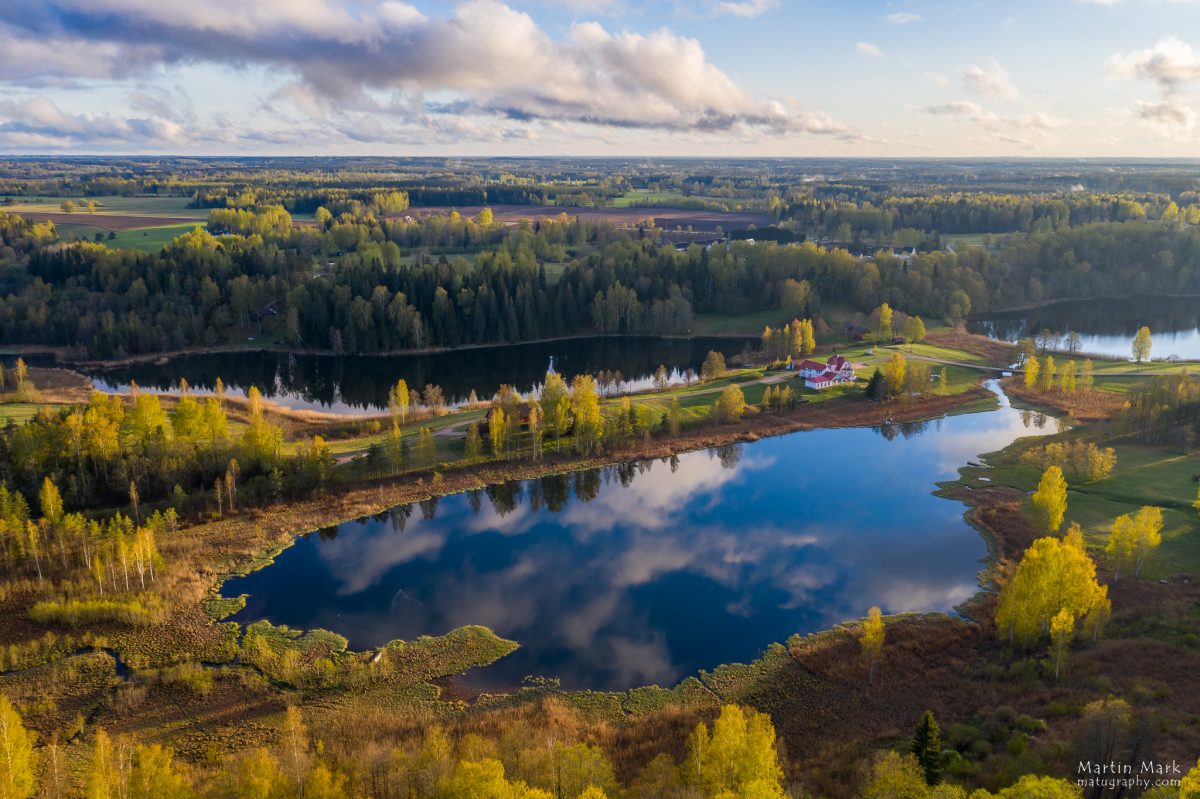
The lakes of Rõuge. Photo by Martin Mark

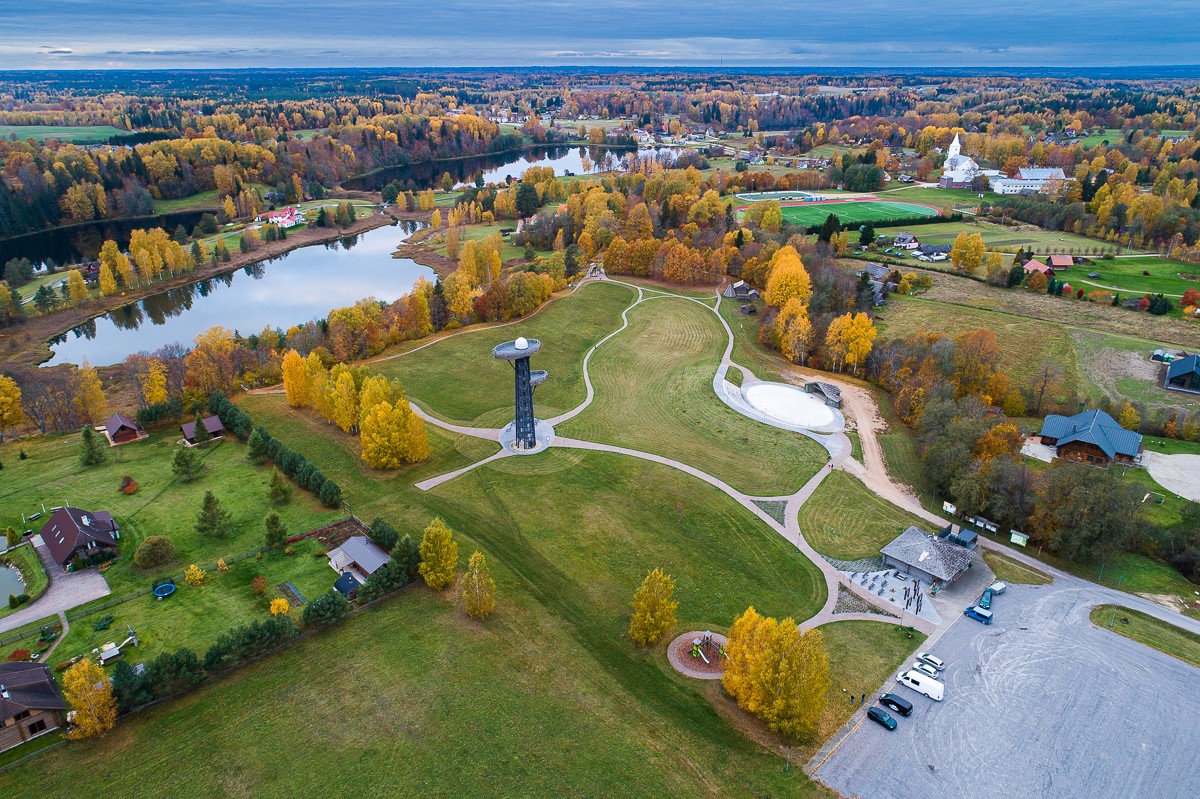
A view of Lake Liinjärv in Rõuge's Nightingale Valley (Ööbikuorg). Photo by Kaisa Äärmaa

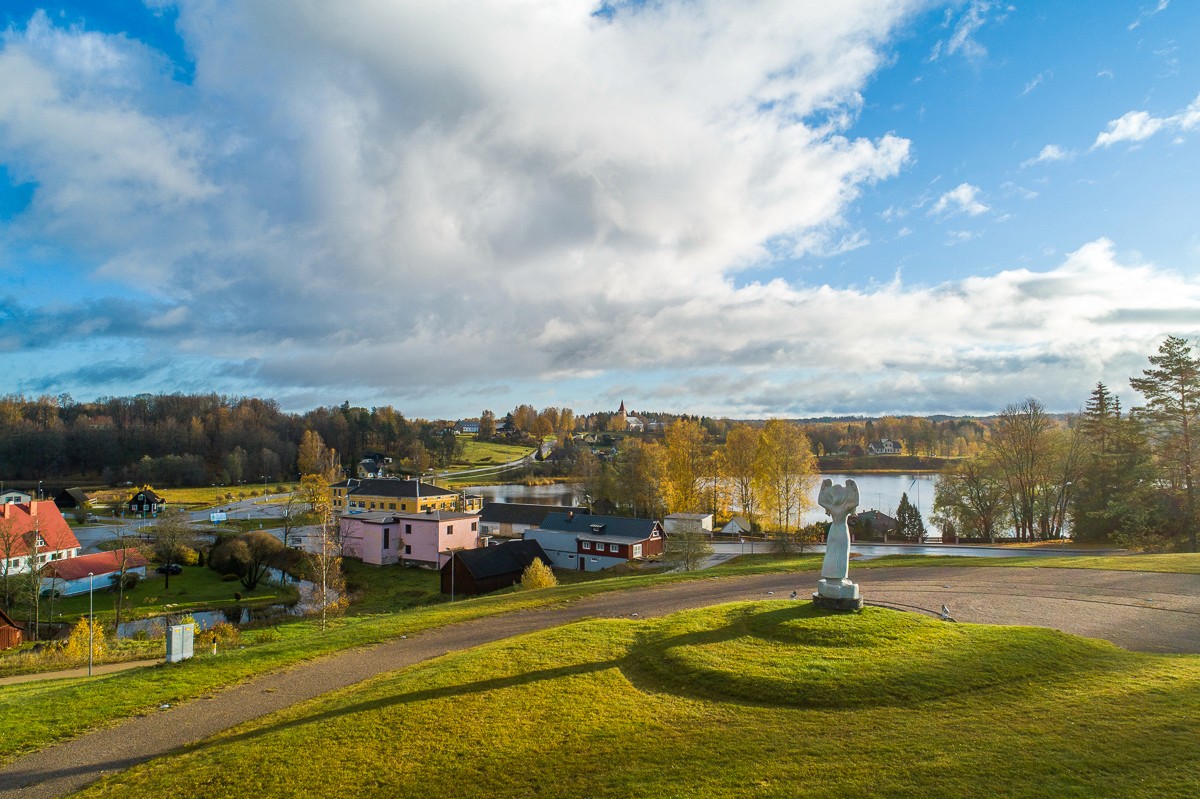
A breathtaking view of the Rõuge lakes from the 'Estonian Mother' monument. Photo by Sven Zacek

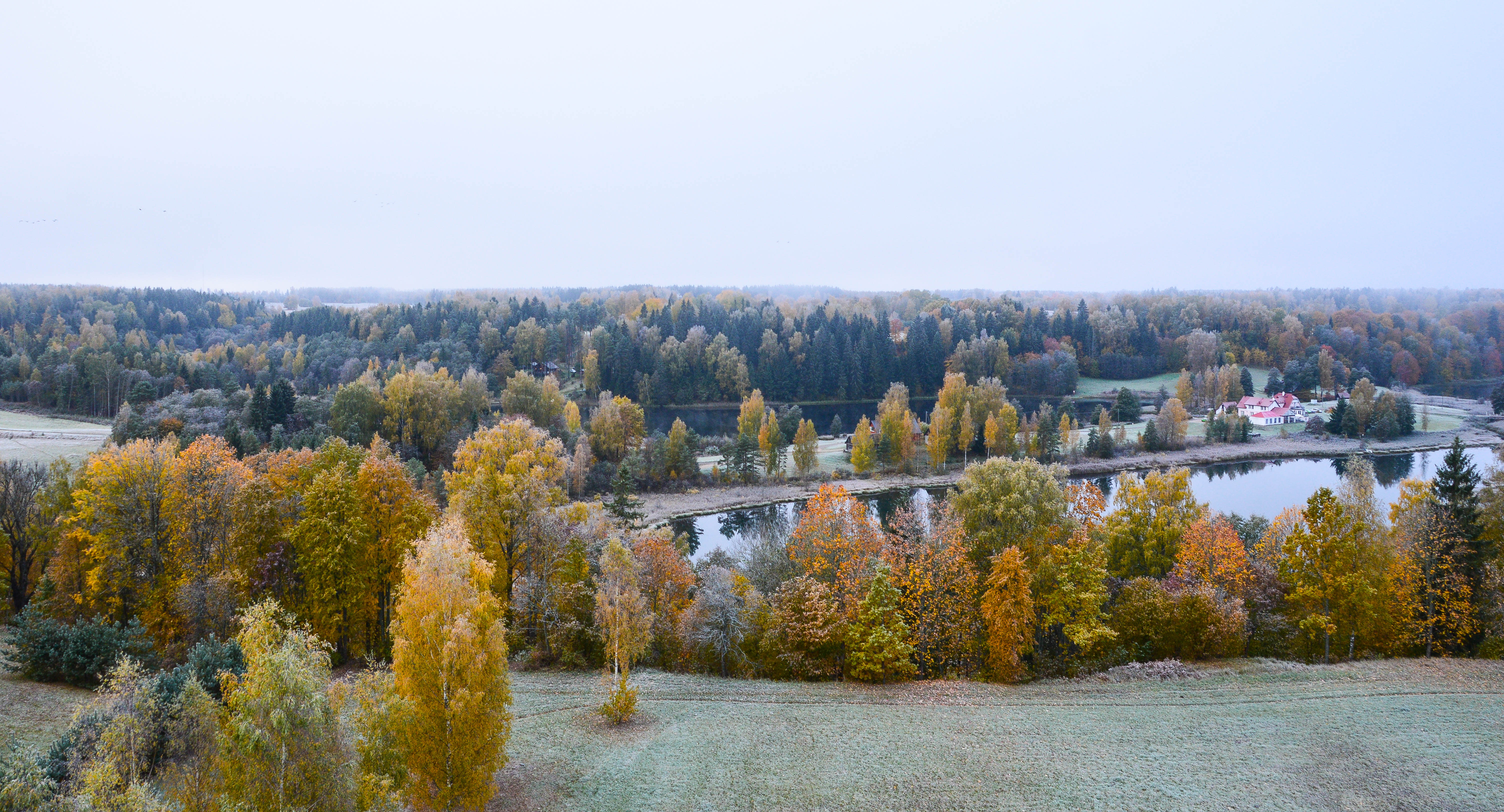
An autumn view of the lakes from the slope of Rõuge Ööbikuorg. Photo by Kaisa Äärmaa
Inquiry
Answer
What are the most popular attractions in Rõuge?
Inquiry
Answer
Are the attractions open year-round?
Inquiry
Answer
How do I get to the main attractions in Rõuge?
Inquiry
Answer
Can I book guided tours at the attractions?
Inquiry
Answer