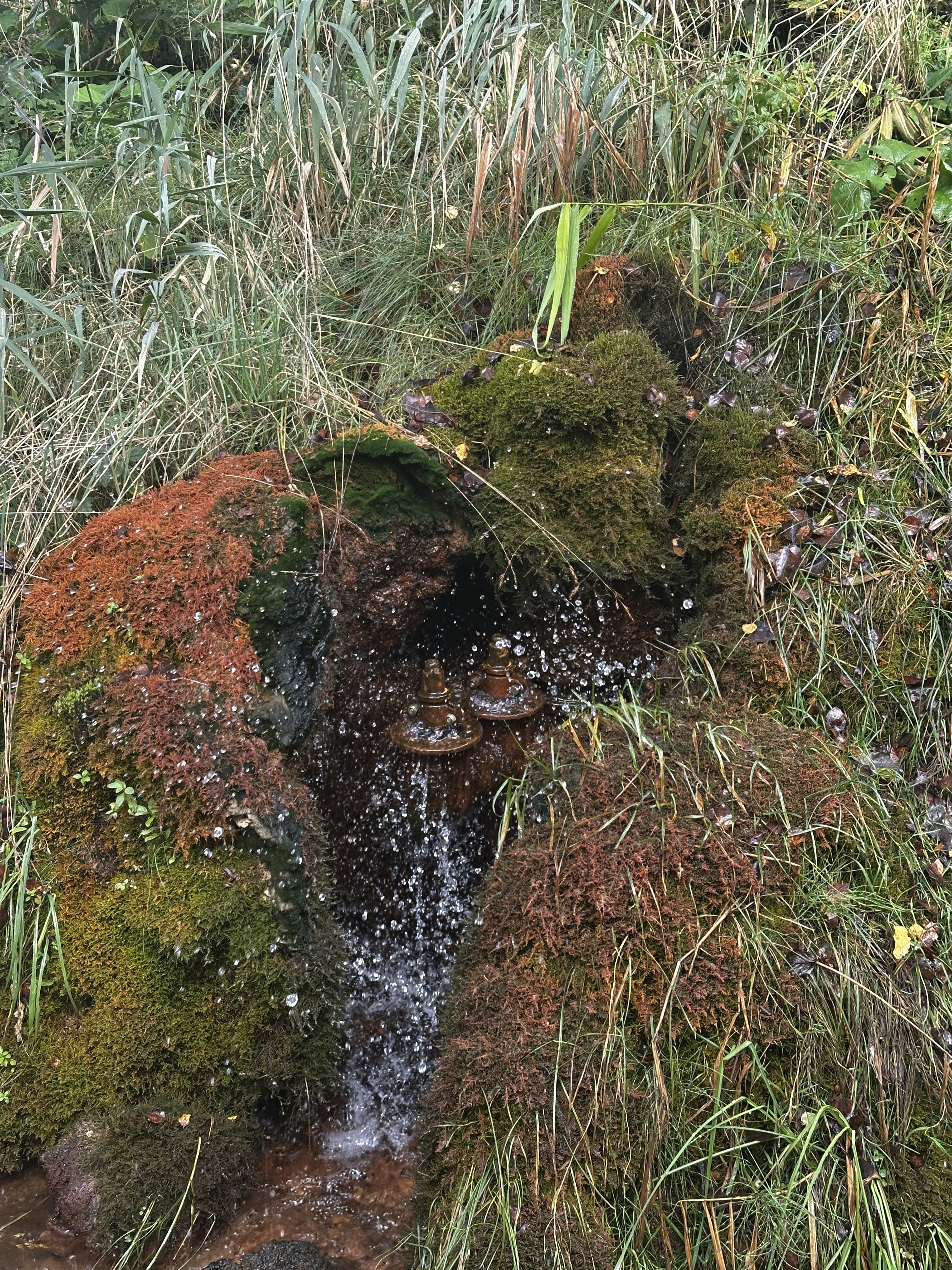
The hydraulic rams of Rõuge Ööbikuorg

The hydraulic rams of Rõuge Ööbikuorg
Located in the Rõuge Ööbikuorg centre, specifically in Tindiorg, you will find Estonia's only working hydraulic rams – historical devices that pump water without electricity, using only the natural kinetic energy of water. Imbuing a truly authentic charm, they stand as a rare testament to clever engineering and the local community's resourcefulness, beautifully restored for visitors to admire.
Year
1939
Must-See Sight
Nature
Active Adventures
A hydraulic ram (vesioinas) is an ingenious device that harnesses the natural power of flowing water to pump water uphill, requiring absolutely no external energy to operate.
Friedrich Johanson, the master of Tindioru Farm, built his first hydraulic ram back in 1939, entirely unaware that a similar invention had already been patented in France in 1796.
This remarkable, authentic device is still working to this day, lifting about 3 cubic meters of water per day to a height of 30 meters — completely without electricity.
The hydraulic ram is perfect for places with flowing water and a natural drop in height. Here in Rõuge, the ram is kept running by natural springs that never freeze, even in the depths of winter.
How the hydraulic ram works:
Water flows from the spring and forces the valve shut.
This creates a pressure wave, pushing some of the water upward.
Air is compressed, which drives the water up into the storage tank.
The valve opens, and this natural cycle begins anew.
There are 2 hydraulic rams in total to discover here. The first is a single-valve ram, and you can also witness a double-valve hydraulic ram in action, designed and built by Jüri Johanson in 2002 — proudly continuing the technical legacy of his father, Friedrich Johanson.
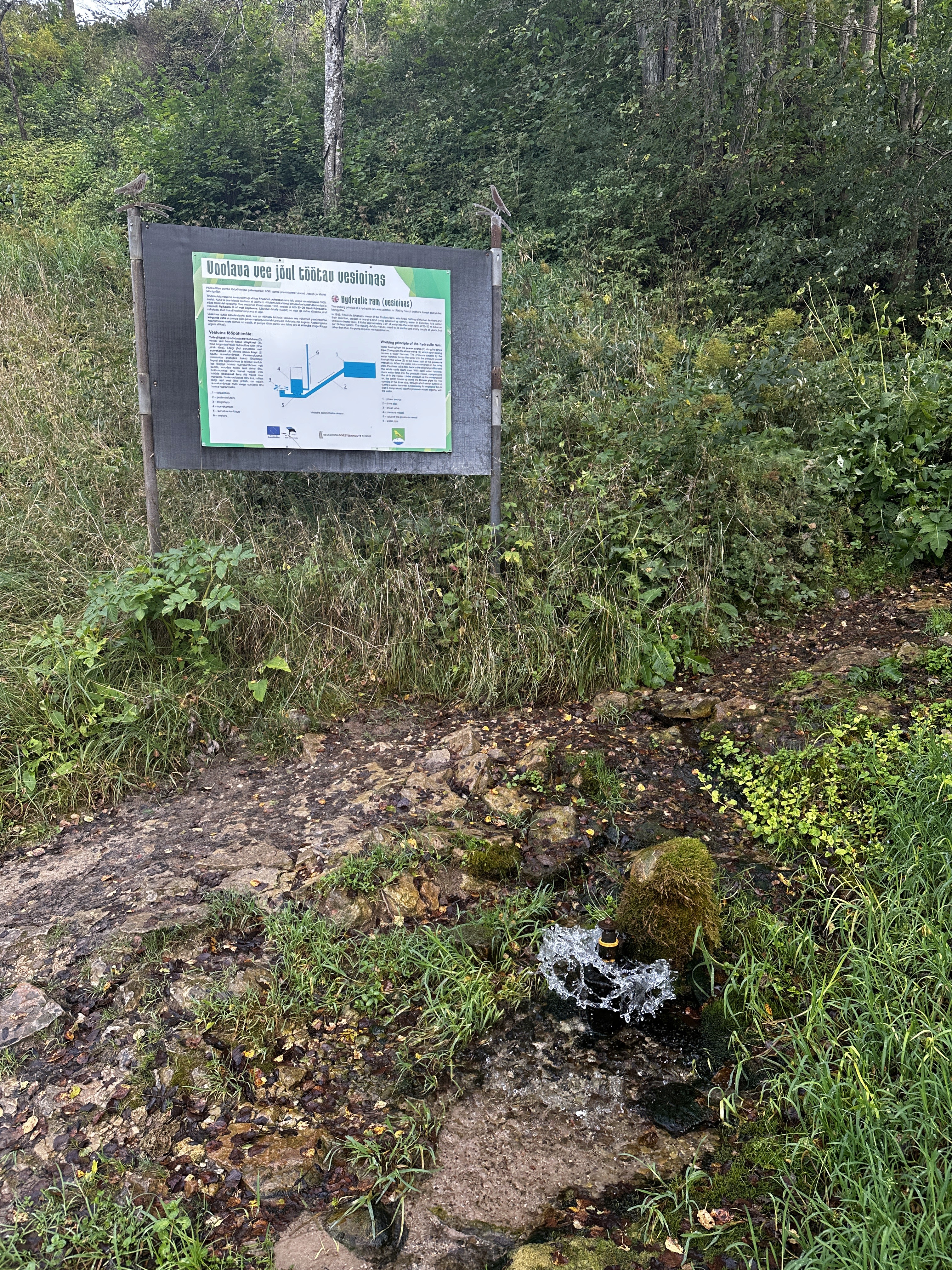
A hydraulic ram (vesioinas) is an ingenious device that harnesses the natural power of flowing water to pump water uphill, requiring absolutely no external energy to operate.
Friedrich Johanson, the master of Tindioru Farm, built his first hydraulic ram back in 1939, entirely unaware that a similar invention had already been patented in France in 1796.
This remarkable, authentic device is still working to this day, lifting about 3 cubic meters of water per day to a height of 30 meters — completely without electricity.
The hydraulic ram is perfect for places with flowing water and a natural drop in height. Here in Rõuge, the ram is kept running by natural springs that never freeze, even in the depths of winter.
How the hydraulic ram works:
Water flows from the spring and forces the valve shut.
This creates a pressure wave, pushing some of the water upward.
Air is compressed, which drives the water up into the storage tank.
The valve opens, and this natural cycle begins anew.
There are 2 hydraulic rams in total to discover here. The first is a single-valve ram, and you can also witness a double-valve hydraulic ram in action, designed and built by Jüri Johanson in 2002 — proudly continuing the technical legacy of his father, Friedrich Johanson.
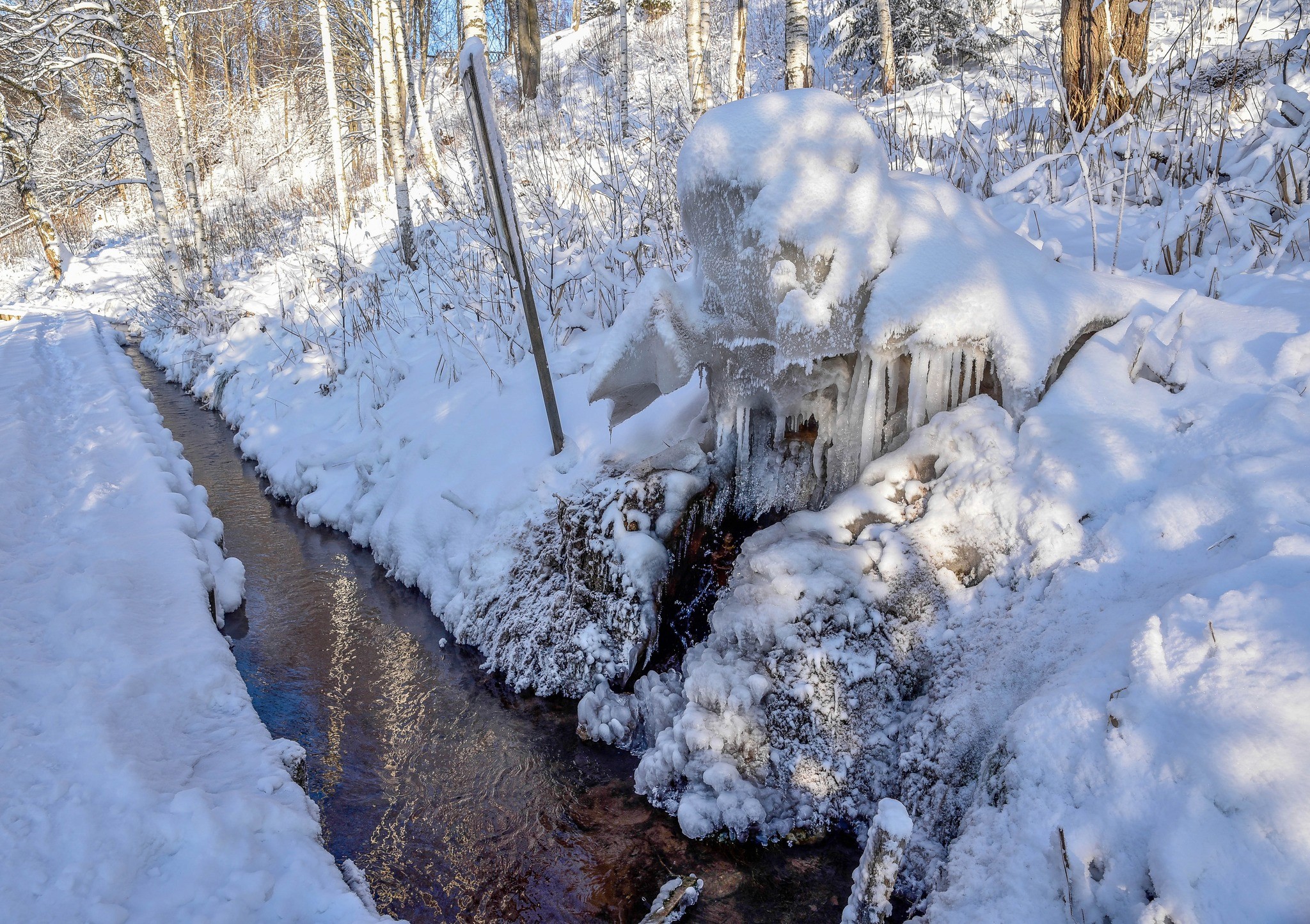
Photo Gallery
See more photos
Photo Gallery
See more photos

The double-valve hydraulic ram pump in Rõuge Ööbikuorg

A beautiful natural ice sculpture created by the hydraulic ram pump (vesioinas) in the scenic Rõuge Ööbikuorg (Nightingale Valley). Photo: Kaisa Äärmaa

The Hydraulic Ram of Rõuge Ööbikuorg
Destinations
Explore even more authentic destinations
Destinations
Explore even more authentic destinations
Inquiry
Answer
What are the most popular attractions in Rõuge?
Inquiry
Answer
Are the destinations open to welcome you year-round?
Inquiry
Answer
How to reach the most popular destinations in Rõuge?
Inquiry
Answer
Is it possible to book guided tours to truly immerse myself in the local culture of the destinations?
Inquiry
Answer