The Spring-Fed Tindioru Hydro-Electric Power Station

The Spring-Fed Tindioru Hydro-Electric Power Station
In Tindiorg (part of Ööbikuorg), you will find an authentic hydroelectric power station powered entirely by natural spring water.
Must-See Sight
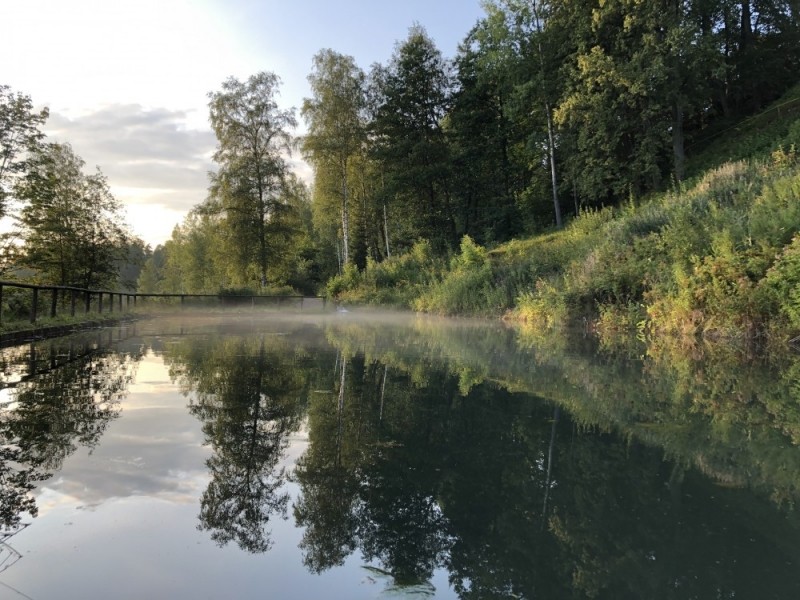
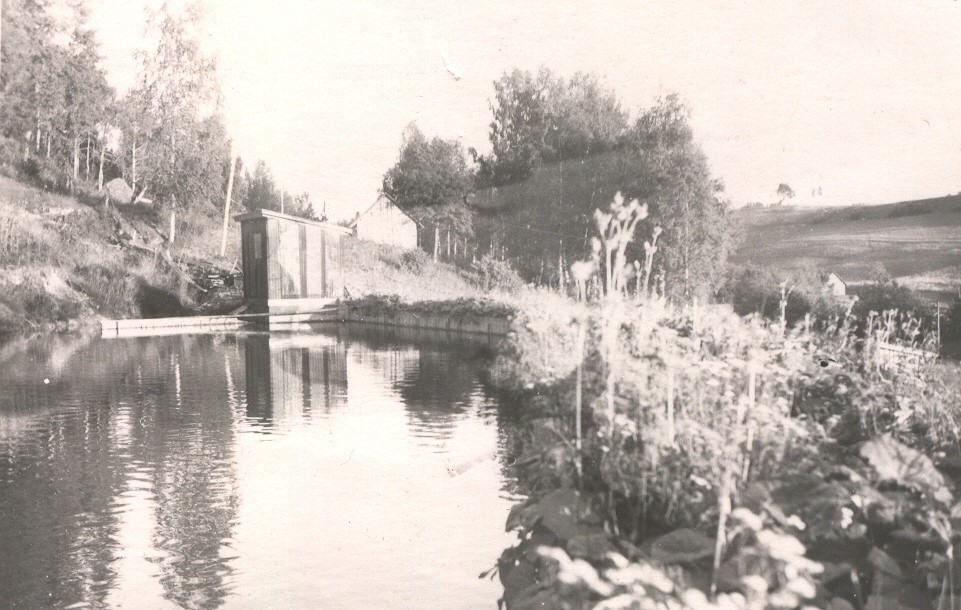
The spring-fed hydroelectric power station was built between 1942 and 1944 by Friedrich Johanson (1905–1983), the founder of the Tindioru farm. He built the reservoir's original wooden sheet pile wall, the embankment behind it, and the 370-meter-long canal channeling the springs using nothing but a shovel and a wheelbarrow over two summers. The power station's turbine was designed and manufactured by a team of engineers from Tallinn.
During the war in 1944, the Red Army set the power station on fire, and the original generator was destroyed. A German-owned mobile power station's DC generator found in the forest was installed on the remaining turbine. This restored power station operated until 2009.
Since 2011, the power station has been operating with a new turbine and generator. The wooden sheet pile wall of the reservoir has been replaced by a concrete equivalent. Since the water flow remains stable throughout the year, the power station produces about 5.5 megawatt-hours of electricity per year.
Another, historically earlier hydroelectric power station also operated in the Rõuge area — the Ööbikuoru hydro-workshop, founded around 1912 by Peeter Johanson (later Saarse). There, the power of water was harnessed both to generate electricity and to power tools and machinery.
The spring-fed hydroelectric power station was built between 1942 and 1944 by Friedrich Johanson (1905–1983), the founder of the Tindioru farm. He built the reservoir's original wooden sheet pile wall, the embankment behind it, and the 370-meter-long canal channeling the springs using nothing but a shovel and a wheelbarrow over two summers. The power station's turbine was designed and manufactured by a team of engineers from Tallinn.
During the war in 1944, the Red Army set the power station on fire, and the original generator was destroyed. A German-owned mobile power station's DC generator found in the forest was installed on the remaining turbine. This restored power station operated until 2009.
Since 2011, the power station has been operating with a new turbine and generator. The wooden sheet pile wall of the reservoir has been replaced by a concrete equivalent. Since the water flow remains stable throughout the year, the power station produces about 5.5 megawatt-hours of electricity per year.
Another, historically earlier hydroelectric power station also operated in the Rõuge area — the Ööbikuoru hydro-workshop, founded around 1912 by Peeter Johanson (later Saarse). There, the power of water was harnessed both to generate electricity and to power tools and machinery.
Gallery
See more photos
Gallery
See more photos

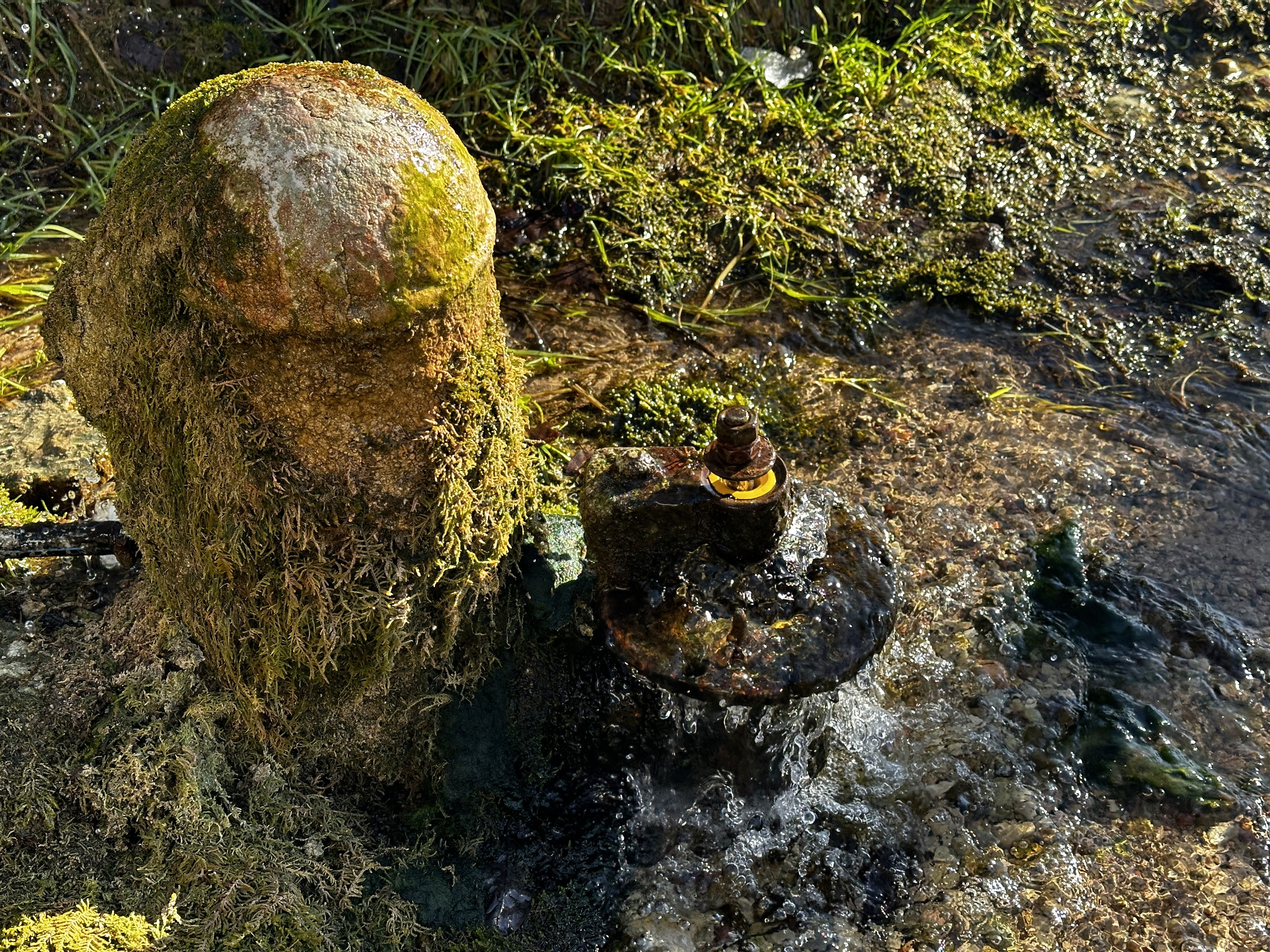
The hydraulic ram pump (Vesioinas) in Rõuge Ööbikuorg (Nightingale Valley). Photo by Einike Aedmaa

Photo by Johanson: The historic millpond of Friedrich's hydroelectric power station in the scenic Rõuge. (VK F 356:7 F/n); Võru County Museum; VKF356_7F-n_1_pisipilt.jpg

The water ram pond of Johanson. Photo by Kaspar Russak
Inquiry
Answer
What are the most popular attractions in Rõuge?
Inquiry
Answer
Are the attractions open year-round?
Inquiry
Answer
How do I get to the main attractions in Rõuge?
Inquiry
Answer
Can I book guided tours at the attractions?
Inquiry
Answer